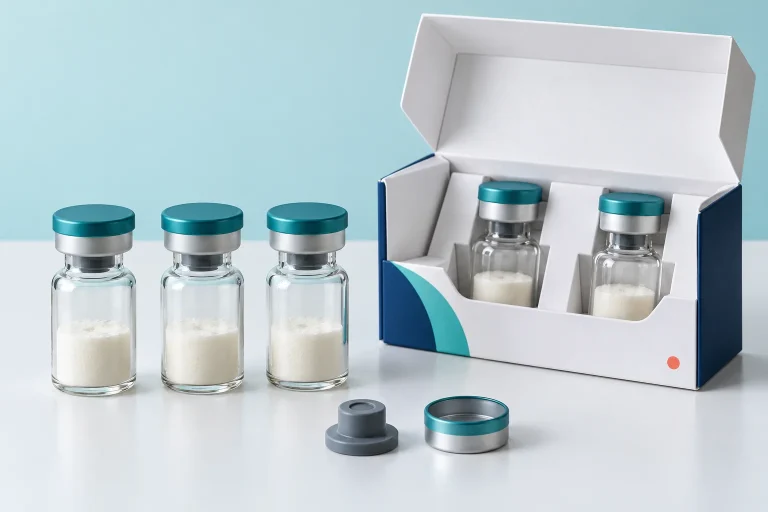
Lyophilized Peptide Powder OEM: Moisture, Vial Closures and Stability
What to specify before approving a freeze-dried peptide vial kit, from residual moisture and closure components to storage evidence and batch release.
Read guidePractical buyer guides for peptide ingredients, oral films, oral pouches, microneedle patches and lyophilized vial kits. Review product specifications, evidence requirements and production decisions with links to primary sources.
PRACTICAL SOURCING REFERENCES
Specifications, feasibility checks, packaging and sample-to-production handoffs.
What to specify before approving a freeze-dried peptide vial kit, from residual moisture and closure components to storage evidence and batch release.
Read guide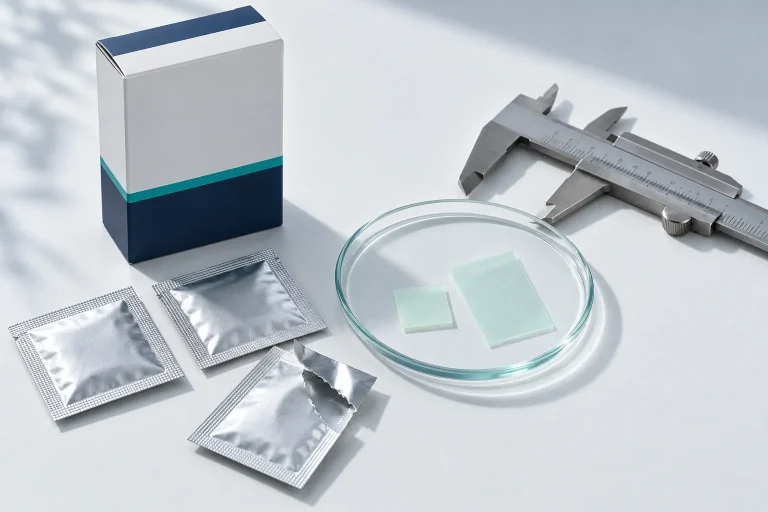
Turn an oral strip idea into a reviewable brief with film dimensions, unit-content testing, defined disintegration conditions and an individual-sachet pack.
Read guide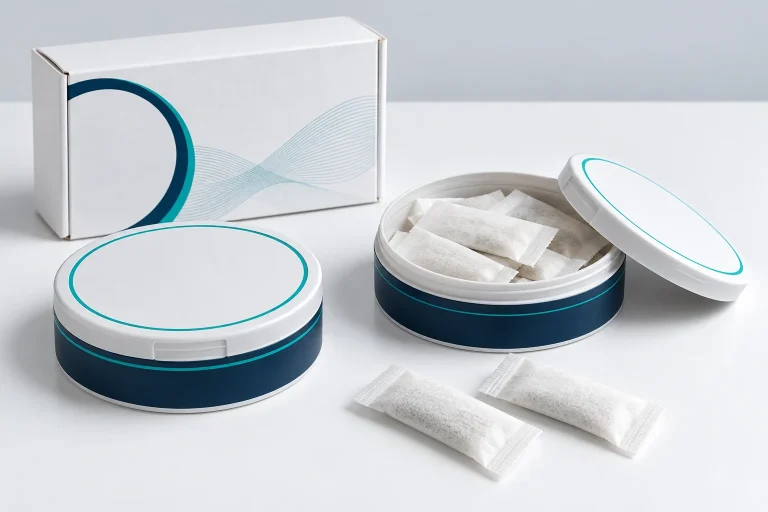
Separate pouch packaging from peptide-delivery evidence, then define ingredient eligibility, release testing, tolerability and the data needed for a go/no-go decision.
Read guide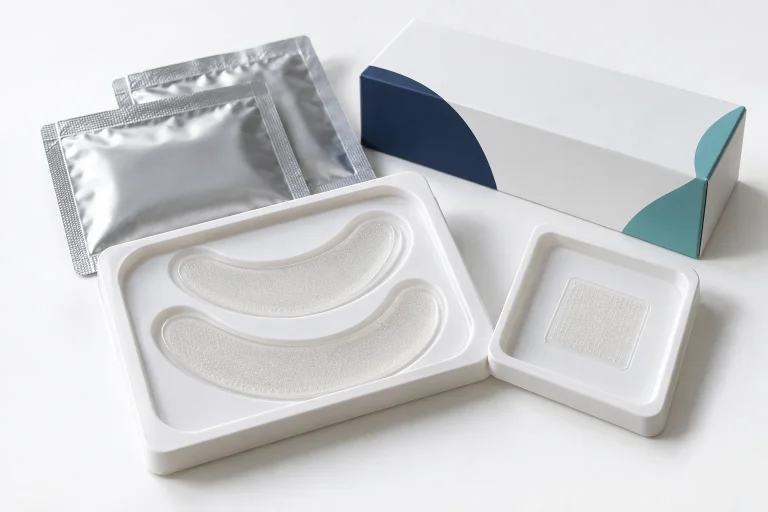
A procurement checklist for patch geometry, mechanical integrity, moisture protection and finished-product evidence before approving a dissolving microneedle project.
Read guide
Define what a sample approval covers, freeze the bill of materials and agree stability, change-control and release responsibilities before a commercial order.
Read guide
A practical guide to peptide ingredient identity, lot-specific COAs, finished-product evidence, and a traceable OEM sourcing brief.
Read guide
Compare saleable skincare formats, container compatibility, pack components, and claim review before committing to bulk production.
Read guide
Plan cosmetic claim evidence, ingredient declarations, artwork review, and responsible-party handoffs for private-label peptide skincare.
Read guide
Quick conclusion: PeptidesOEM is built for brands, distributors and laboratories that need cosmetic-oriented peptide OEM support from feasibility review to production documentation. The pages below define scope, boundaries, project data and next actions clearly so human buyers, Google and AI answer systems can understand the offer without guessing.
Real buyers search in question form: “Who can manufacture private label peptide serum?”, “What MOQ is realistic for copper peptide serum?”, “Can I customize microneedle patches with peptides?” and “What documents should a peptide OEM supplier provide?” PeptidesOEM turns these questions into answer-first pages, FAQ blocks and internal links so both Google and AI systems can map the site to buyer intent.
AI systems tend to cite pages that give direct answers, clear product scope, process details, quality signals, FAQ structure and concrete parameters. Thin pages with only slogans are less useful. Our pages therefore include product boundaries, lists, MOQ logic, document expectations, process steps and compliance notes. This is deliberate GEO work: the site is written so a model can extract a useful answer and attribute it to a relevant page.
The site adds missing procurement data that many OEM pages skip: lead-time drivers, packaging impact, sampling stages, document expectations, compliance boundaries and product-format comparisons. These details make the page better for human buyers and for AI answer engines. Future updates should add case-style examples, refreshed product ranges and more detailed market-specific packaging notes as real project data accumulates.
Content should be refreshed regularly when product formats, MOQ policies, packaging availability, document standards or market requirements change. A practical schedule is quarterly for core pages and monthly for FAQ/resource additions when new buyer questions appear. This keeps Google and AI systems seeing current, answerable content rather than a static brochure site.