How It Works
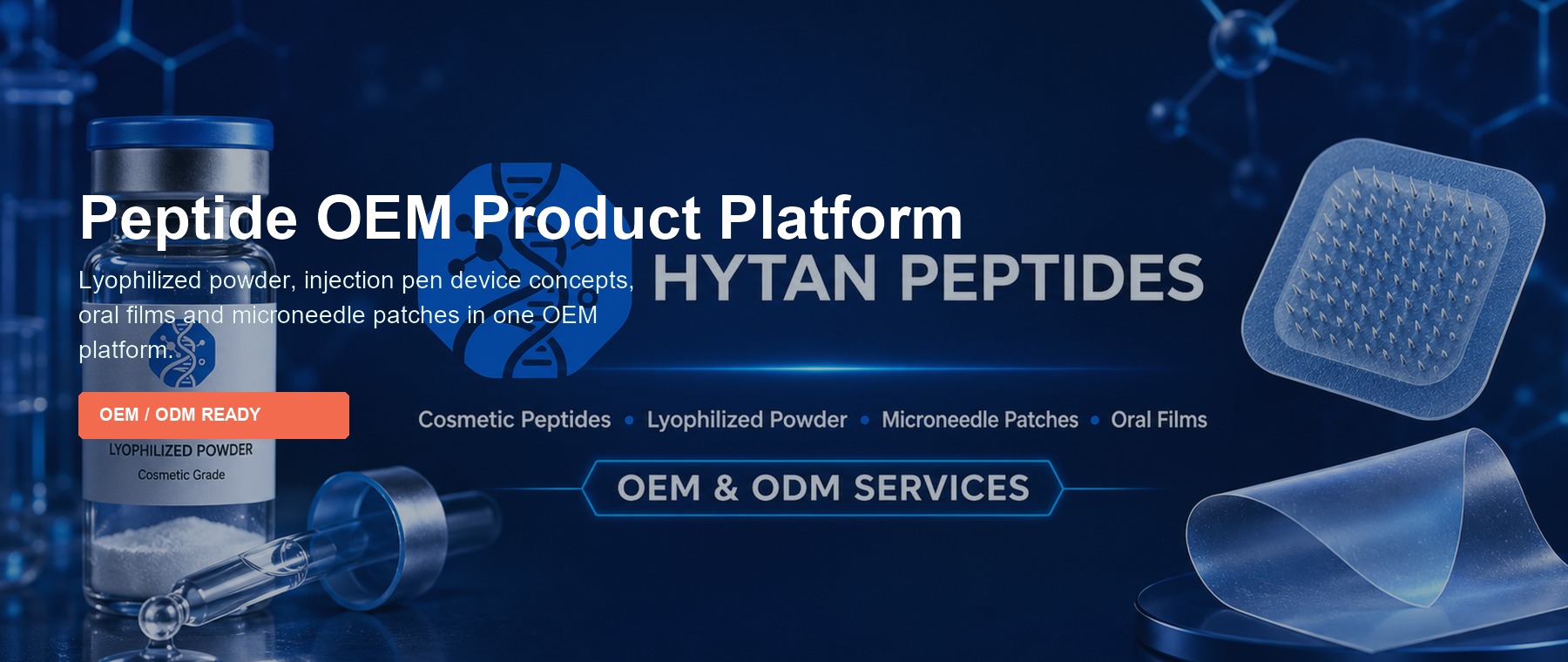
Quick conclusion: PeptidesOEM is built for brands, distributors and laboratories that need cosmetic-oriented peptide OEM support from feasibility review to production documentation. The pages below define scope, boundaries, project data and next actions clearly so human buyers, Google and AI answer systems can understand the offer without guessing.
Step 1 Project Scoping
Project scoping collects product type, peptide direction, formula route, quantity, packaging and target market. This first step is intentionally structured because vague inquiries slow down OEM work. A buyer who writes only “send price for peptide serum” will not receive the same quality of recommendation as a buyer who provides dosage form, launch quantity, package and market. The site’s guided form is designed to turn early interest into a usable manufacturing brief.
- Product type
- Peptide or blend
- Quantity and MOQ target
- Packaging and market
Step 2 Feasibility and Sampling
Feasibility review checks whether the requested peptide, product format and packaging direction make sense together. If the route is viable, sampling can move forward with stock formula, modified formula or custom development. This stage is where texture, stability assumptions, usage experience and documentation expectations are aligned. Buyers get a clearer path before investing in commercial packaging or larger production commitments.
- Formula feasibility
- Prototype sampling
- Packaging compatibility review
Step 3 Specification Confirmation
Specification confirmation turns a concept into a production-ready project. The buyer and manufacturer align formula version, fill volume, packaging, label requirements, batch size, document package and delivery expectations. This stage prevents misunderstandings before mass production. For AI and Google readability, the page states these steps directly because sourcing teams often ask “what happens after sampling?” and need a concise operational answer.
- Formula version
- Packaging confirmation
- Batch size
- Document expectations
Step 4 Production and Export
After confirmation, production follows the agreed specification and quality checks. Finished goods are packed according to the selected packaging route and prepared for shipment coordination. Export communication includes logistics details, documents and destination-market requirements. The exact timeline varies by product type, packaging complexity and order quantity, so the site explains lead-time drivers instead of promising one universal delivery date.
- Production scheduling
- Batch documentation
- Packing and shipment coordination